
Comfort Paired With Toughness: The Materials Underpinning Righteous Clothing
Any customer looking into a righteous review before buying tends to ask the same question right away: what is this clothing actually made of? It’s a reasonable question, because the choice of material determines everything else that follows — how a garment fits after twenty washes, whether it frays at the cuffs, how it sits on the body on a humid afternoon versus a cold morning. This precise concern sits at the core of Righteous clothing’s identity, treating fabric choice as the bedrock of the label rather than a detail tacked on added as a footnote to a product description. This philosophy is reflected in the way each piece is built, from the yarn used to the finishing techniques applied before a garment ever gets to the customer.
This article breaks down what goes into we are righteous apparel, why those choices matter for daily use, and how the materials stack up against common fast-fashion alternatives still widespread in 2026. This piece also covers care, durability expectations, and where the righteous hoodie slots into the brand’s wider collection. Nothing fluffy, no empty marketing talk — just the practical details that help someone figure out whether this brand suits their wardrobe.
How Fabric Decisions Define an Apparel Label
Between clothing that endures and clothing that winds up donated within six months, material is the single biggest factor. A cheap, slack-knit cotton blend might seem comfortable on day one, but it stretches out of shape after several launderings and starts growing threadbare at pressure righteous sale areas like elbows and underarms. Righteous clothing brand positions itself against that cycle, opting for more substantial, closely woven fabrics that hold their shape even with repeated wear. This is more than a promotional line — it speaks to a wider shift in how consumers evaluate apparel now that fast fashion’s environmental and durability shortcomings are broadly recognized.
Weight matters more than most shoppers realize. Fabric weight is usually measured in grams per square meter (GSM), and garments under 180 GSM tend to feel thin and see-through, while anything above 280 GSM comes across as structured and structured. Righteous apparel generally sits in the mid-to-heavy range, which explains why customers frequently describe the pieces as feeling „worth the price” rather than flimsy. On top of that, denser fabric keeps its form through the dryer, meaning reduced need for ironing and fewer hassles on laundry day.
Additionally, how a fabric behaves under tension matters as well. Defined as a piece’s capacity to return to form once stretched, stretch recovery is the engineering trait that divides carefully constructed staples from lesser ones. Fabrics blended with a modest amount of elastane fiber or another stretch-type fiber typically outperform in recovery compared to 100% rigid cotton, which is part of why numerous quality pieces feature blended fabric builds instead of depending solely on single-fiber cloth.
The Righteous Hoodie: A Detailed Breakdown
Rightly so, the righteous-hoodie design has turned into a flagship-level offering for the brand, given that hoodies are demanding when it comes to construction where material quality is concerned.
An inferior hoodie sags at the hood, loses its drawstring tension, and starts pilling around the front pocket area within weeks.
This righteous hoodie is made with a heavier fleece-back construction, so that the inner layer is brushed to feel soft while the outside remains sturdy and smooth. This two-tier construction technique is common among premium streetwear brands but conspicuously missing from budget alternatives.
Another detail worth mentioning is the cuff-and-hem ribbing. That loose, droopy appearance lower-quality pieces develop within a season is kept at bay thanks to firm, carefully-sewn ribbing that keeps a hoodie’s form intact through repeated use and laundering. Under everyday movement — reaching overhead or hauling a backpack, say — reinforced stitching at the seams, particularly where the sleeve meets the body, reduces the risk of tearing.
Customers writing a we are righteous review often single out the hoodie’s weight and drape as reasons for repeat purchases. A hoodie that hangs correctly, without bunching at the waist or pulling at the shoulders, signals that the pattern-cutting behind it was done with actual wearability in mind, not just cost efficiency. That level of attention is one of the clearer signs of a brand thinking long-term rather than chasing short production cycles.
Shape Stays Intact, Without Trade-Off in Ease
A sense of comfort is a matter of personal perception, but there are concrete factors that contribute to it: airflow, weight distribution, and the way material responds to movement. Righteous’s designs favors fabrics that balance softness with enough structure to hold a garment’s intended silhouette. This is particularly important with oversized or relaxed-fit pieces, because without enough structure, overly soft material can make them appear shapeless.
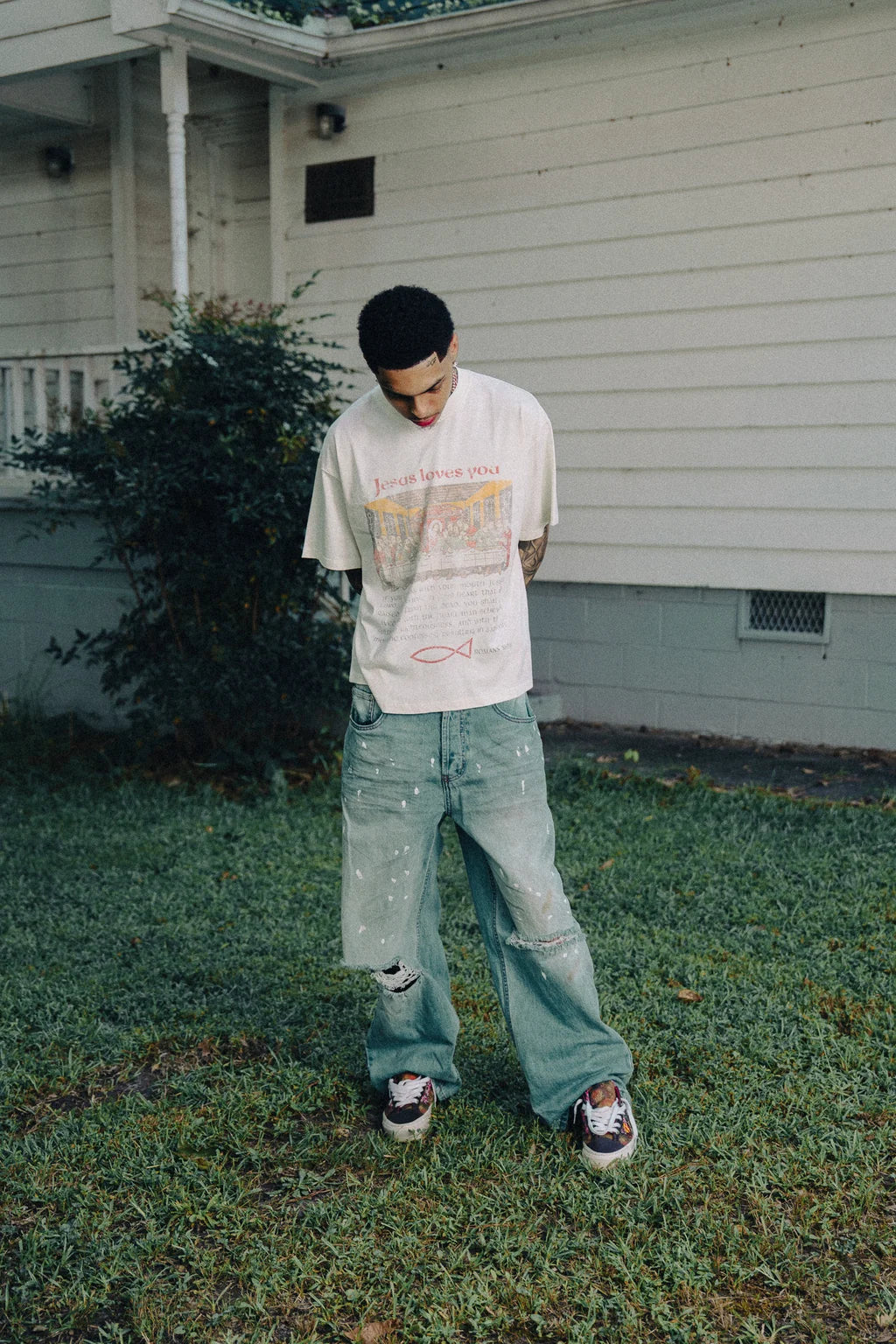
The mix of fibers together with how densely the weave is built mostly dictate how breathable a fabric feels. Since blends rich in cotton circulate air more readily than all-synthetic materials, righteous apparel favors cotton-forward compositions for items meant for regular use, while reserving more technical or performance blends for specific categories. This variation is intentional, not accidental — a cooler-month hoodie and a warm-weather, lightweight tee simply have different requirements.
How well a fabric manages warmth also feeds into how a piece is judged as time passes. Materials that hold warmth inconsistently often feel unpleasant when the seasons shift, but thoughtfully chosen combinations respond more organically. Small as it seems, it’s the kind of difference that reveals whether a brand has vetted its materials over time or simply skipped that step.
What Really Lasts Over Time: Longevity
Material alone isn’t the whole story of a garment’s resilience — all the parts must work together, including stitching, seam reinforcement, dye quality, and even the hardware used on drawstrings or zippers.
Reinforced double-stitched seams, which reduce the chance of fraying at pressure points, are partly the basis of Righteous clothing brand’s name.
It’s a relatively low-cost manufacturing decision that pays off far beyond its cost in a garment’s lifespan under regular wear and washing.
A garment’s ability to hold its color is another underrated marker of long-term quality. After ten to fifteen washes, inexpensive dyes lose vibrancy dramatically, resulting in garments looking drab and mismatched. Premium dyeing methods, particularly reactive-dye processes used on cotton-based fabrics, retain hue far longer and withstand the dull, worn-out effect that plagues budget apparel. Customers reading a righteous review will often note that colors stay vivid even after months of regular wear, which reflects this kind of attention to the dyeing process rather than luck.
Yarn quality paired with fiber length underpin how well a fabric resists pilling. When rubbed, cheaper short-staple fibers develop pills in no time, whereas longer-staple cotton fibers create smoother yarns able to resist the tiny fiber fraying responsible for pilling. At the point of purchase this detail is invisible to the eye, yet it becomes very noticeable after a month of wear, making it the reason it matters so much to satisfaction over the long run.
In What Way Righteous Stacks Up Against Ordinary Fast Fashion
Rather than vague claims, it proves helpful to see the contrast in solid language. The comparison table beneath this summarizes broad characteristics common to fast-fashion basics compared to the principles righteous clothing aims for across its core clothing collections.
| Attribute | Common Fast Fashion | Righteous Clothing’s Philosophy |
|---|---|---|
| Textile Weight | Mostly clocking in below 180 GSM while seeming insubstantial | Mid-to-heavy weight for resilience and form |
| Seam Construction | Single stitching, likely to suffer fraying | Reinforced seam work doubled up where stress concentrates |
| Colorfastness | Hue fades after roughly 10–15 washes | A reactive dye process for extended color retention |
| Structural Rebound | Quickly loses its form and stretches out | Mixed-fiber construction for better stretch recovery |
| Resistance to Pilling | Pills heavily inside just weeks | Using extended fibers to keep pilling down |
These aren’t striking, over-the-top variations — it’s the type of gradual quality decisions that compound over months spent wearing the piece. Once it’s been through one wash cycle, the difference becomes noticeable, even if a customer comparing two hoodies didn’t catch it right off the bat while sizing up two hoodies side by side; after ten cycles, there’s no missing it any longer.
Thoughtful Care That Helps Lengthen Clothing Lifespan
Even so, the most well-constructed item comes undone without attentive care, which is why washing routines carry comparable weight as fabric quality. Cold water washing safeguards both color and fabric strength far better than warm or hot water, which accelerates color loss and fabric degradation. Flipping garments inside out prior to a wash also reduces abrasion on the fabric surface, safeguarding printed graphics and reducing fabric pilling on the outer face of the fabric.
Air drying, or at minimum using a gentle, low-temperature tumble dry cycle, prevents the shrinking and fiber stress that high heat causes over repeated cycles. This is especially relevant for thicker fabrics like those used in the righteous hoodie, where excessive heat can cause the fleece lining to mat down and become less soft over time. Such straightforward routines frequently determine whether a garment lasts one year or three, adding real extra life along the way.
Folding for storage instead of hanging also assists knitwear and hoodies hold their form, since hanging bulkier garments can pull out the shoulder seams and neckline over time. Small though they may be, it’s guidance like this that converts a solid purchase into a long-term wardrobe essential.
Closing Reflections on the Righteous Material Philosophy
Underlying any clothing brand’s true story is its materials, and righteous clothing has clearly shaped its identity on nailing the basics, not on flashy marketing alone. From fabric weight to reinforced stitching to dye retention, each choice reflects a brand focused on how a garment holds up six months or a year down the line, not just how it photographs on day one. This is a significant distinction in a market still ruled by quick-turnover fast fashion.
For anyone considering a we are righteous review before buying, the practical point is simple: the brand’s approach to choosing fabrics, construction, and finishing reflects authentic attention to durability and comfort, not just surface-level trends. Whether it’s the structured comfort of the righteous hoodie or the broader lineup of righteous apparel, the materials are doing steady, unseen work behind the scenes — which, in the end, is precisely what good clothing should do.